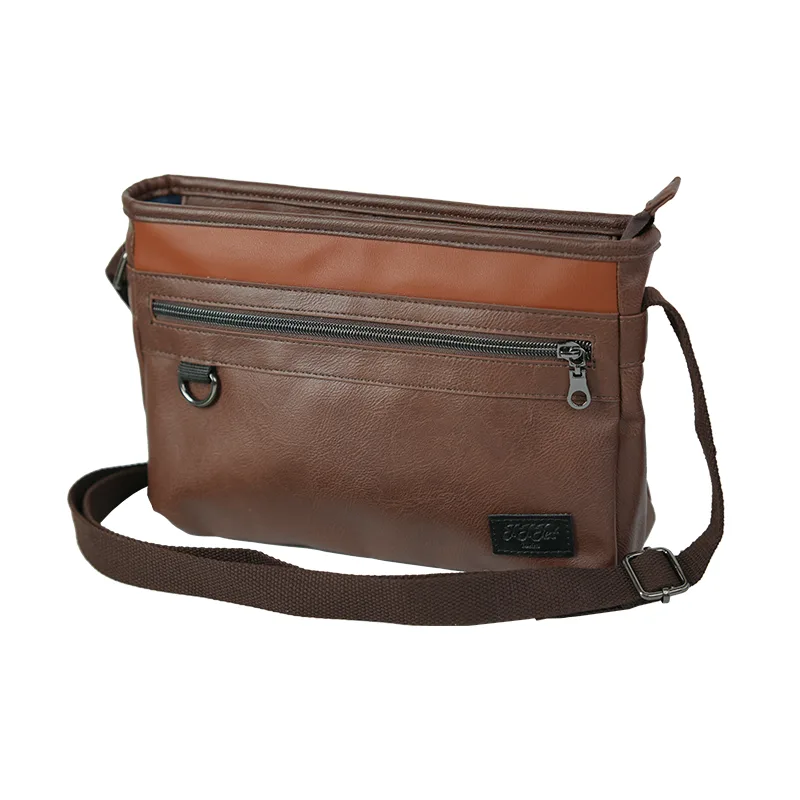
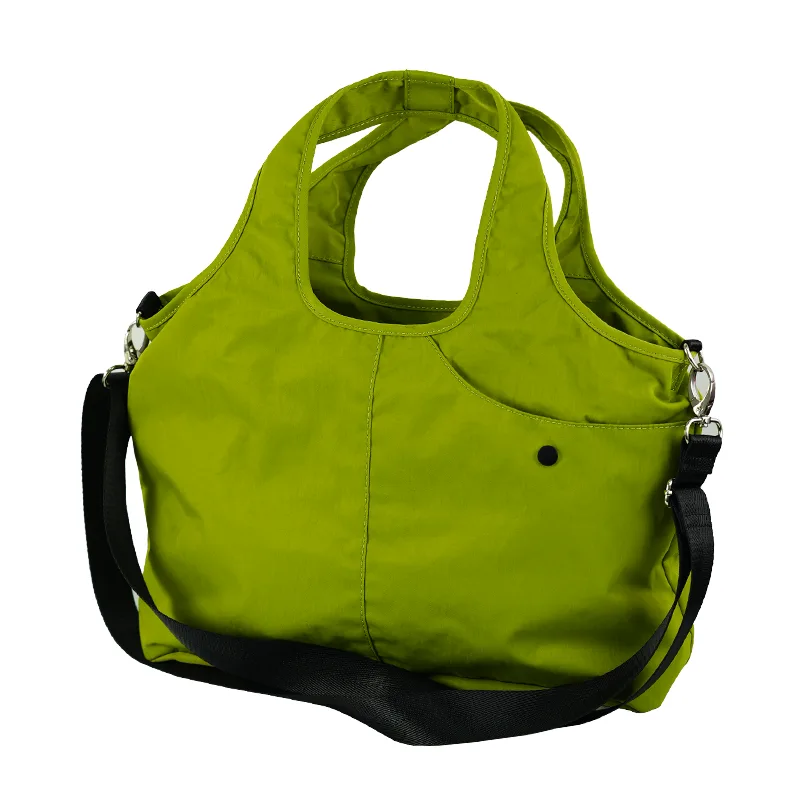
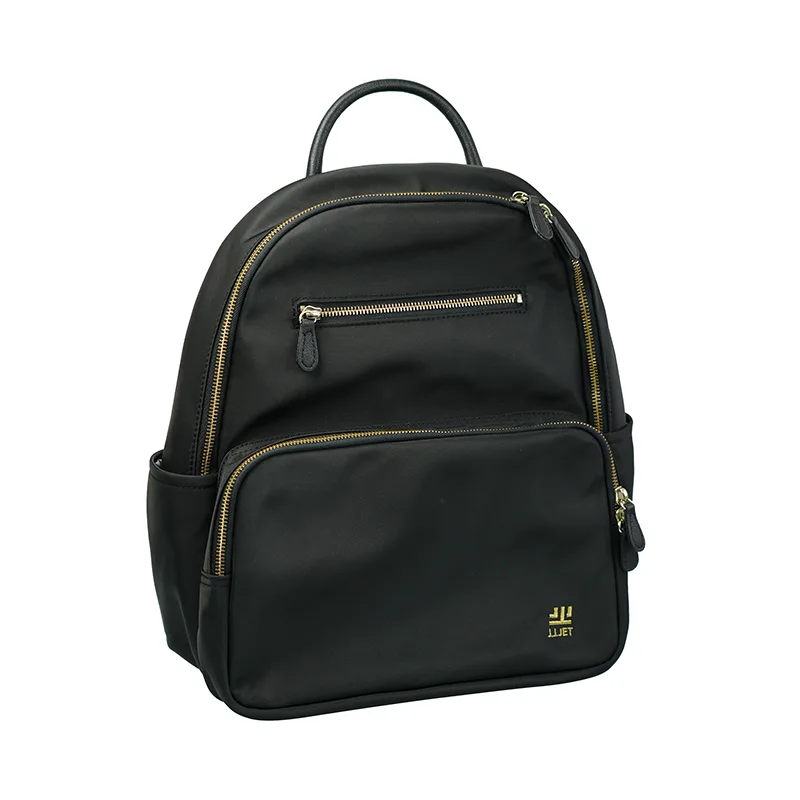
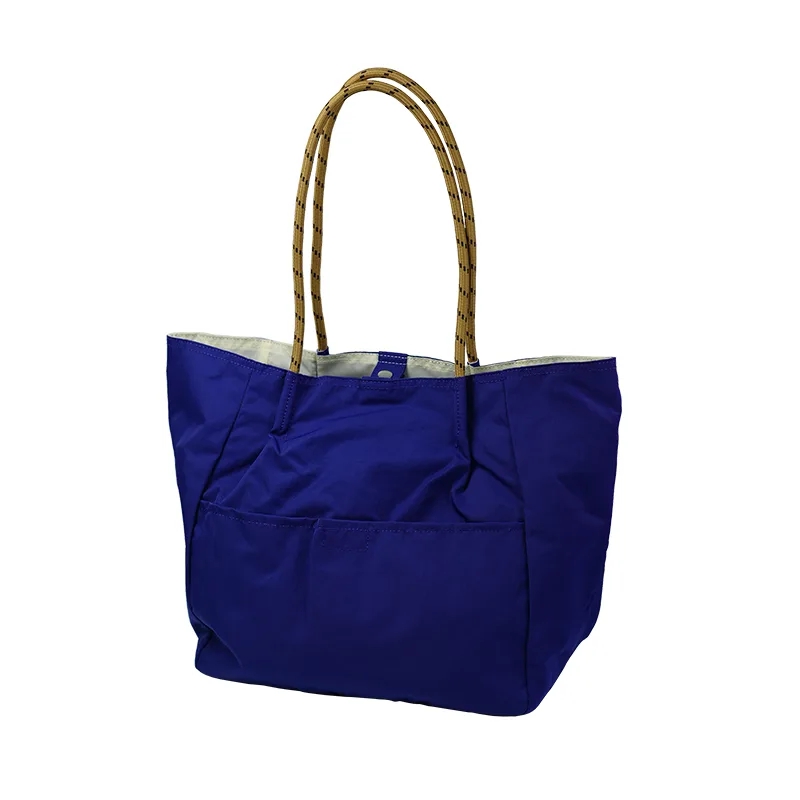
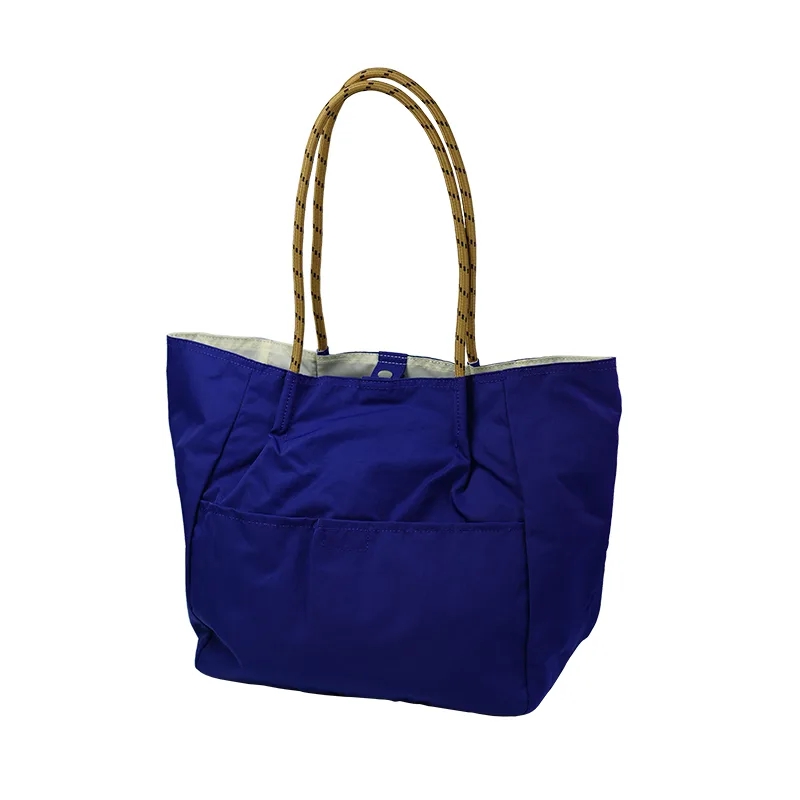
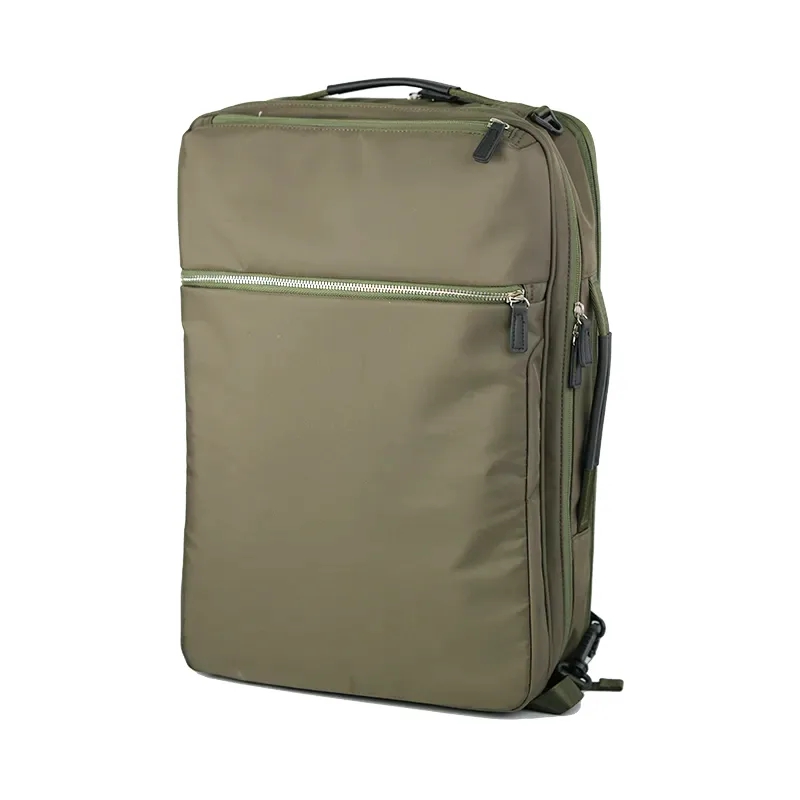
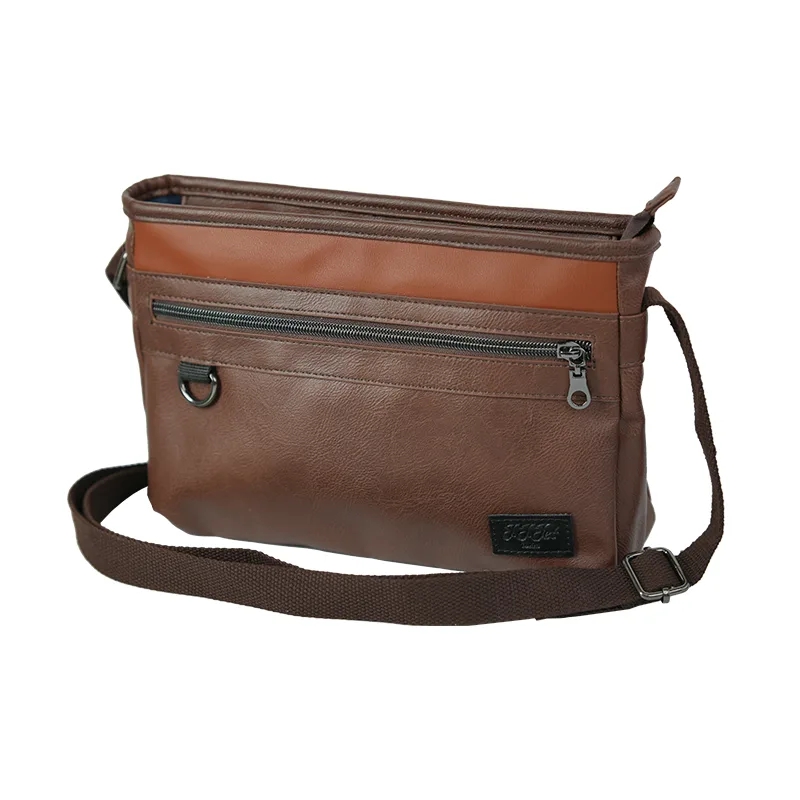
When shopping for Shoulder Bag For Men, most buyers focus on fabric, capacity and silhouette, while treating buckles and hardware as minor add-ons. Yet shoulder strap adjusters, D-rings, magnetic snaps, side release buckles and zipper pulls all matter. The base material determines whether hardware fades, bends or breaks, and directly impacts the overall service life of the bag. Issues like loose buckles and tarnished spots often appear after short-term use, simply because the hardware material was not verified at the sampling stage. Whether you are sourcing goods or buying for personal use, understanding these common hardware materials helps you avoid frequent quality complaints.
The most widely used hardware materials for Shoulder Bag For Men are zinc alloy, iron, brass, stainless steel and POM plastic. Aluminum alloy is also used for a small number of premium lightweight styles. They vary greatly in hardness, plating performance, rust resistance and cost, matching different bag styles and usage scenarios.
Zinc alloy accounts for the largest share in bag hardware. Most D-rings, trigger snaps, pin buckles and magnetic bases on business and casual leather Shoulder Bag For Men are made of zinc alloy. It has a low melting point and is easy for die casting, supporting fine and complex shapes such as engraved logos and sharp details. After electroplating, it delivers a high-end metallic look similar to brass. The main downside is its brittleness. Thin-walled zinc alloy parts may crack under heavy impact or strong pulling force. Zinc alloy relies entirely on its plating layer for corrosion protection. Poor plating will peel and darken quickly in humid coastal conditions or with regular sweat contact. When sourcing zinc alloy hardware, check plating thickness, salt spray test results and wall thickness at load-bearing positions.
Stamped iron hardware is popular on workwear and canvas Shoulder Bag For Men. Iron blanks can be pressed into simple square buckles and strap adjusters at a low cost, with decent rigidity against bending. Its biggest flaw is rust risk. Once the plating is scratched, moisture reaches the iron substrate and rust forms rapidly. Rust stains can transfer onto webbing and lining, leaving marks hard to clean. Iron buckles are usually reserved for economy lines. Even with thick plating or electrophoretic coating, they are not recommended for consistently humid environments.
Brass hardware sits in the mid-to-high range. It is a classic pick for vintage genuine leather Shoulder Bag For Men. Brass has a warm natural tone and develops a unique patina over time, which many vintage lovers prefer. It is ductile, smooth after polishing and more corrosion-resistant than zinc alloy and iron. However, brass comes with higher raw material and processing costs, and it adds noticeable weight to the bag. Brass also darkens and oxidizes gradually. A clear top coat is required if the natural aged look is not desired, and regular wiping is needed for maintenance.
Stainless steel hardware is built for reliable heavy-duty use, ideal for outdoor and technical Shoulder Bag For Men. It offers outstanding rust resistance and stable salt spray performance. Even if the surface finish gets scratched, the base material will not corrode quickly. It has high tensile strength and impact resistance, suitable for bags that carry heavy loads. The limitation is processing difficulty. Intricate patterns are hard to cast, so most stainless steel buckles keep simple plain designs. Mirror polishing raises the cost significantly. You will often find stainless steel D-rings on camera shoulder bags and tool carry bags.
POM plastic buckles, also known as acetal buckles, are the standard side release and adjuster hardware on lightweight functional Shoulder Bag For Men. They cut down total bag weight, have good toughness and will never rust. Custom color matching is available without electroplating. The trade-off is less premium metallic appearance. Long-term UV exposure can make POM brittle, so it is not suitable for high-heat environments. It fits casual outdoor styles well, while business leather bags rarely use plastic buckles.
Aluminum alloy buckles are less common. They are lightweight and can be anodized into stable colors such as matte black and gunmetal. You can find them on high-end lightweight technical bags. Aluminum is relatively soft and easy to deform under heavy tension, so it is mostly used for decorative or secondary adjustment points rather than main load-bearing hardware.
Many people wonder how to tell zinc alloy apart from iron when they share the same gunmetal or antique finish. Visual checks alone are not enough. A simple magnet test works as a quick screening: iron sticks to magnets, while zinc alloy, brass and aluminum do not. Some stainless steel grades carry weak magnetism. The magnet trick is only for preliminary screening; formal material certificates and salt spray reports are needed for bulk orders.
Quick reference for selection: zinc alloy for rich shapes and balanced cost; brass for vintage leather styles; stainless steel for humid places and heavy daily use; iron for low-cost canvas lines with awareness of rust risk; POM plastic for lightweight outdoor bags without metallic requirements.
Hardware may seem like tiny accessories, but these are the parts users touch and pull every day. When selecting Shoulder Bag For Men, do not only judge appearance. Confirm material grade, plating quality and load-bearing structure to reduce later issues like discoloration and breakage.
We use cookies to offer you a better browsing experience, analyze site traffic and personalize content. By using this site, you agree to our use of cookies. Privacy Policy