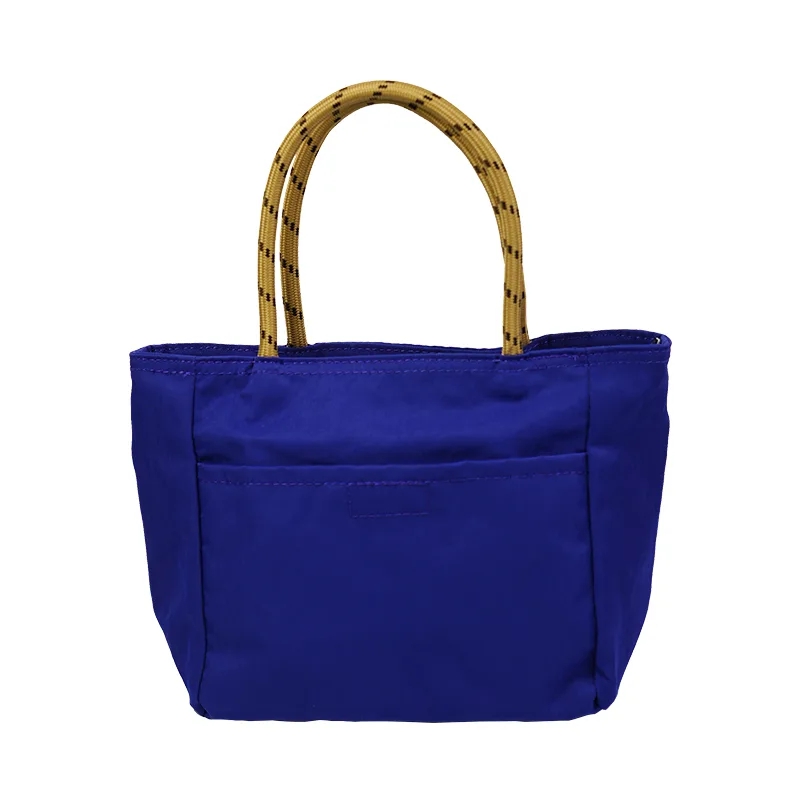
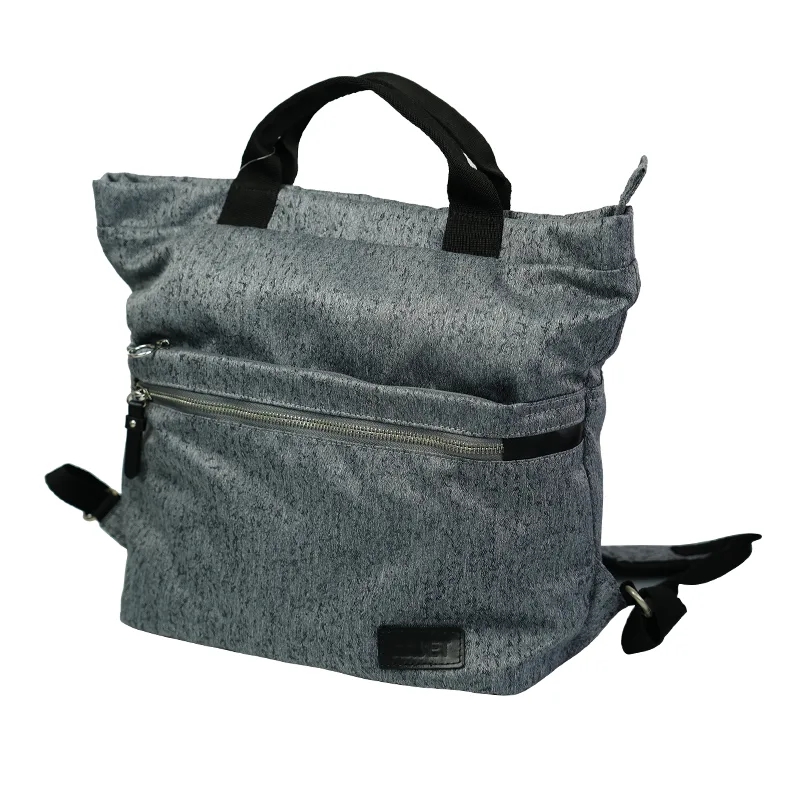
1、 Artificial leather (PU/PVC, the most common in the market)
1. PU synthetic leather
PU is the mainstream material for daily shoulder bags. Soft to the touch, can be made into faux leather texture, with a wide range of color options and a relatively light weight; Waterproof, easy to maintain, can be wiped with a damp cloth. Disadvantages: Long term bending and exposure to sunlight can easily cause peeling and cracking, with a medium service life. Many affordable commuting and fashionable shoulder bags use PU.
2. PVC leather
Higher hardness, stronger waterproofing, and lower price, but the hand feel is hard and prone to hardening and brittleness in low temperature environments. It is commonly used for simple workwear, transparent bags, and affordable trendy bags.
2、 Canvas (cotton canvas/washed canvas)
Cotton canvas is woven from cotton yarn, wear-resistant, tear resistant, and has a casual texture. Washed canvas will be softer, and retro style shoulder bags are commonly used.
Shortcomings: Not waterproof, easy to leave stains when wet, and moldy if exposed to moisture for a long time; Due to its heavy weight, it is easy to absorb sweat and become dirty, requiring regular cleaning.
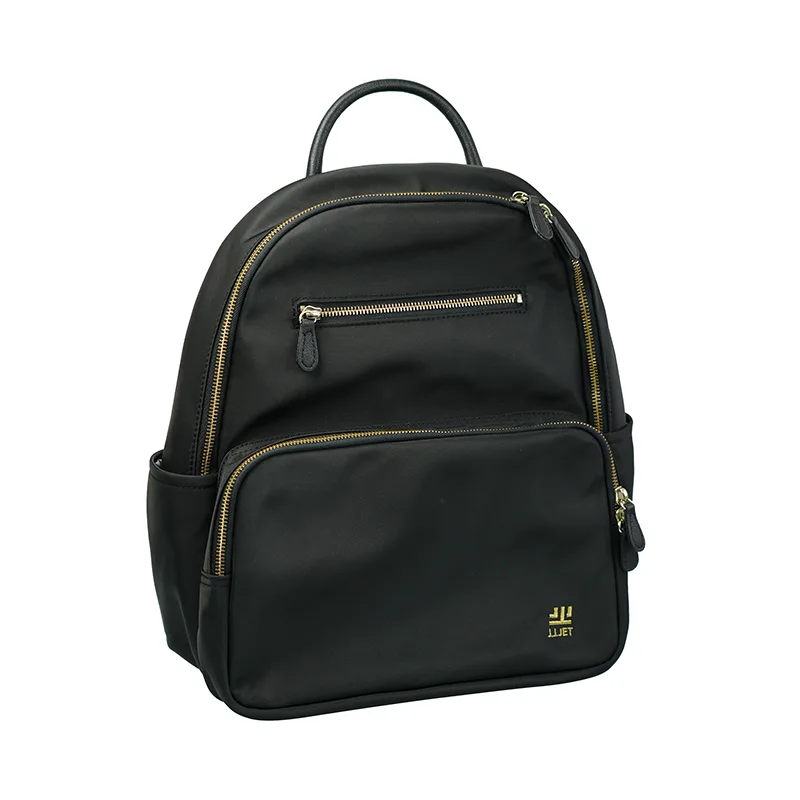
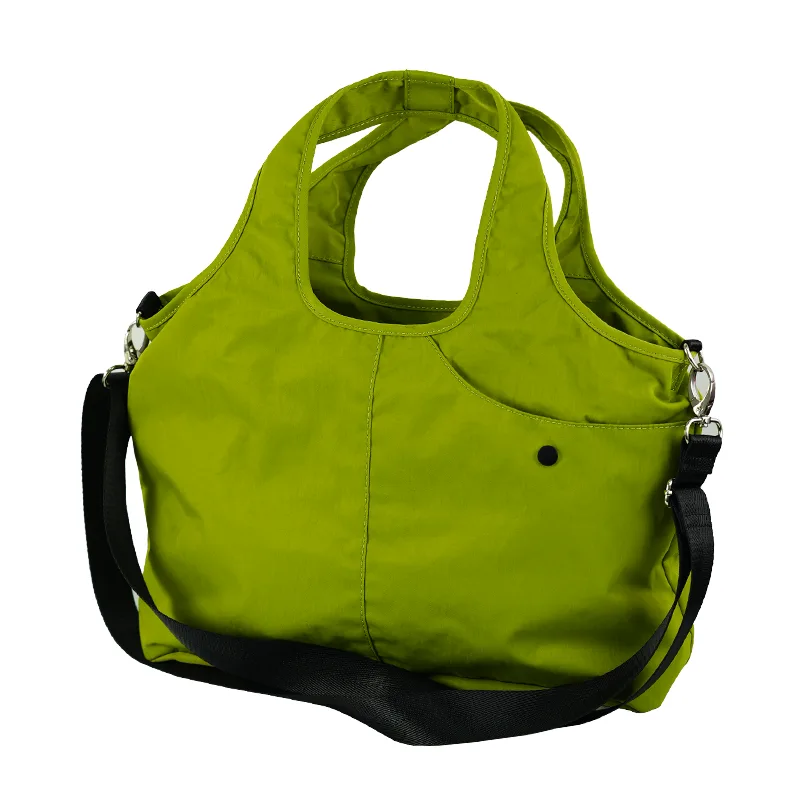
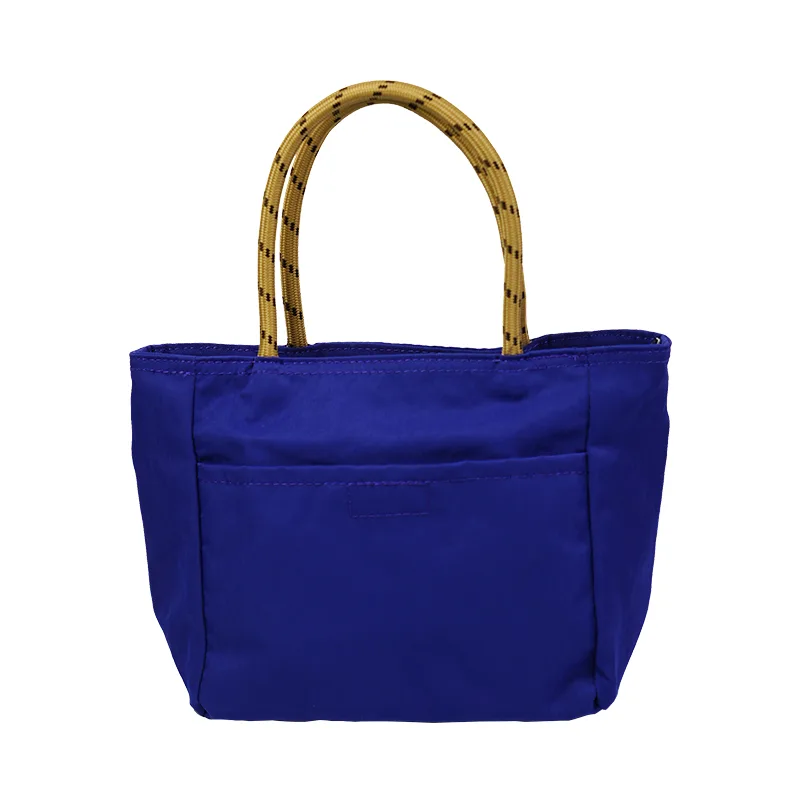
3、 Nylon/Nylon (including ballistic nylon)
Lightweight preferred, waterproof, wear-resistant, tear resistant, quick drying, suitable for commuting and sports style shoulder bags. The fabric is smooth and not prone to wrinkling.
Disadvantages: Easy to generate static electricity; The scratch resistance of lightweight nylon fabric is average, and sharp objects are prone to snagging. Many commuting tote bags and outdoor shoulder bags are made of nylon.
4、 Polyester (polyester fiber)
High cost-effectiveness, wrinkle resistance, not easy to fade, waterproof performance better than canvas, lightweight. The fabric is firm and the shape of the bag is not easily collapsed.
The touch tends to be plastic, with average breathability, and is mostly used for simple basic shoulder bags.
5、 Genuine leather (cowhide, sheepskin, etc., mid to high end)
1. Cowhide: The first layer of cowhide has the best texture, is sturdy and wear-resistant, and has more patina with more use; Two layer cowhide coating, lower price, weaker wear resistance than the first layer. Real leather bags have a warm and smooth feel, and are of high grade. Disadvantages: Expensive price, requiring regular maintenance, and prone to leaving watermarks when exposed to water.
2. Sheepskin: Soft and delicate, but poorly wear-resistant and prone to scratches. It is mostly used for light luxury and exquisite styles, and is not suitable for heavy daily commuting.
6、 Other niche materials
Ultra fiber leather: High performance artificial leather, wear-resistant and tear resistant, close to genuine leather feel, environmentally friendly, and priced higher than ordinary PU;
Denim: Retro casual style, durable, but heavy and easy to fade;
Wax dyed canvas: with a vintage texture and a certain degree of water repellent properties;
EVA/Silicone: Waterproof and easy to clean, mostly soft shell simple small bags.
We use cookies to offer you a better browsing experience, analyze site traffic and personalize content. By using this site, you agree to our use of cookies. Privacy Policy