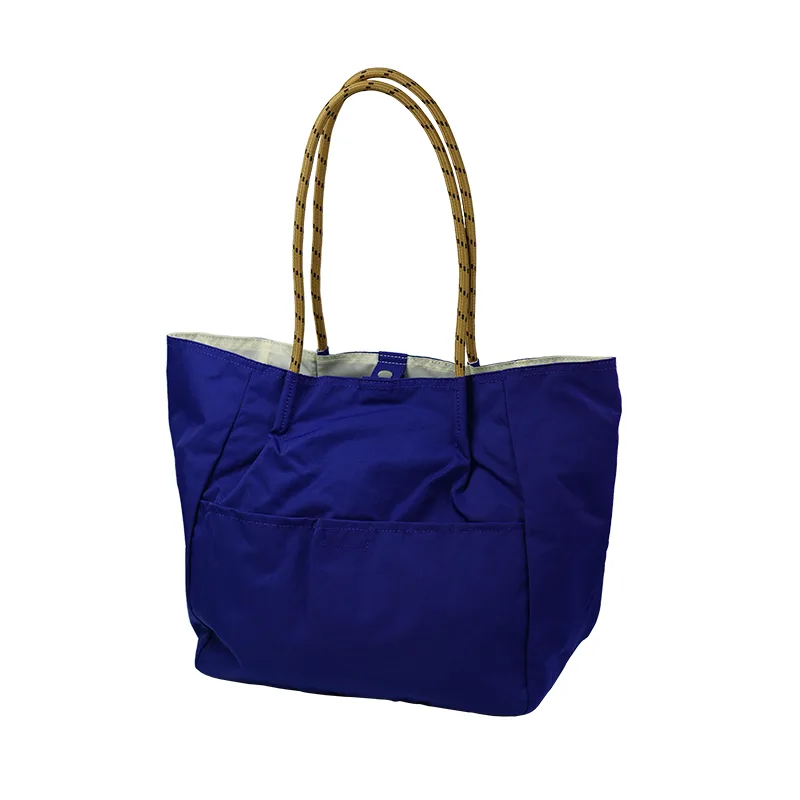
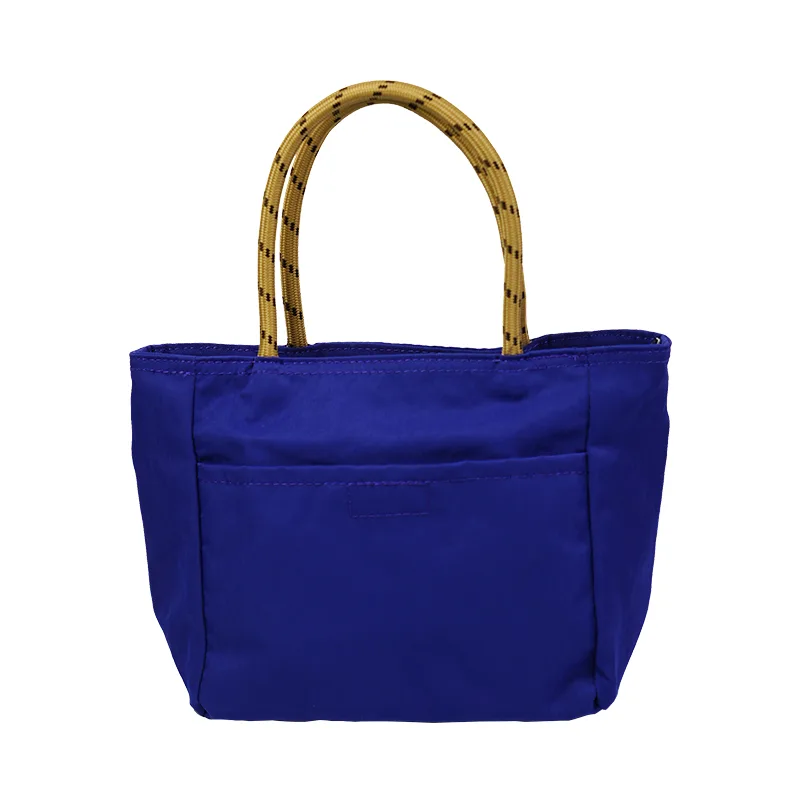
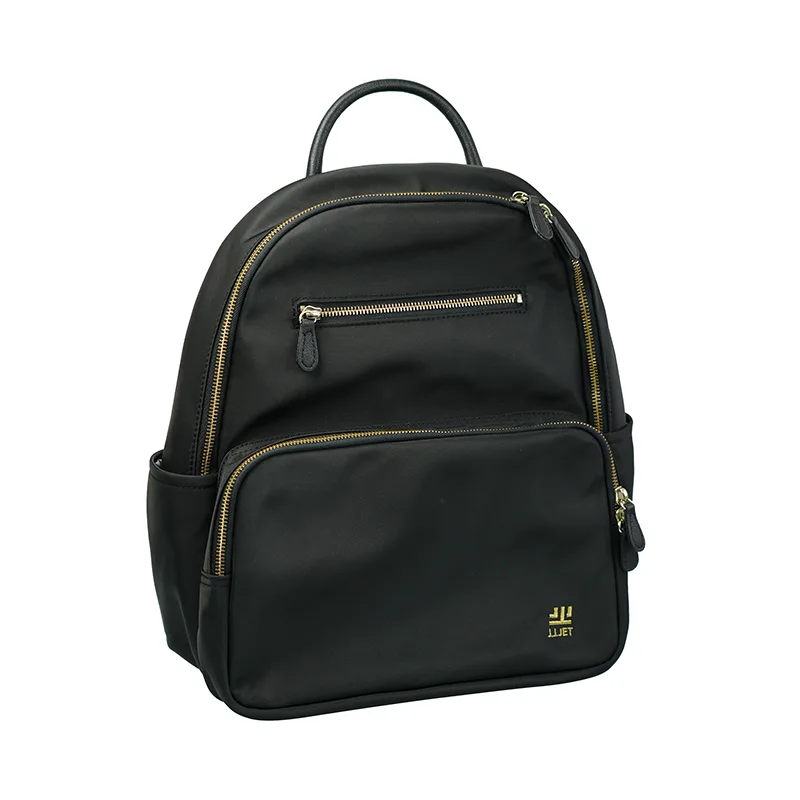
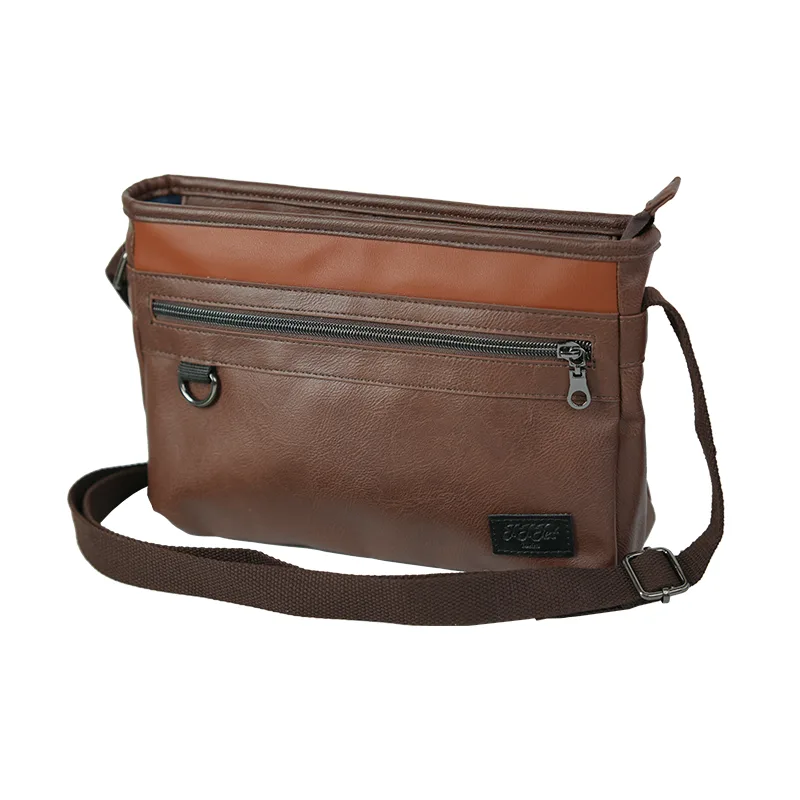
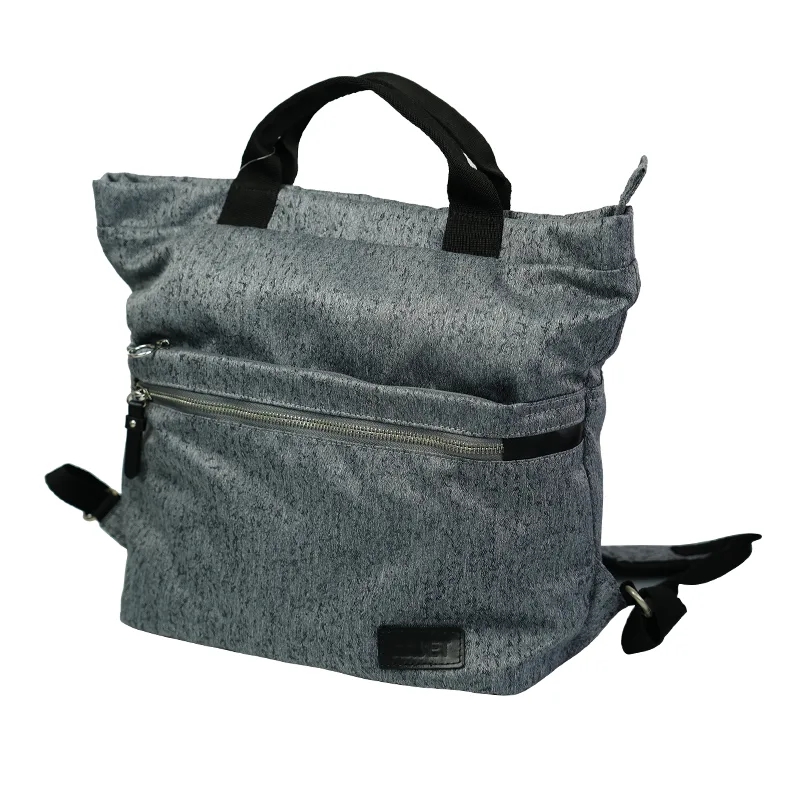
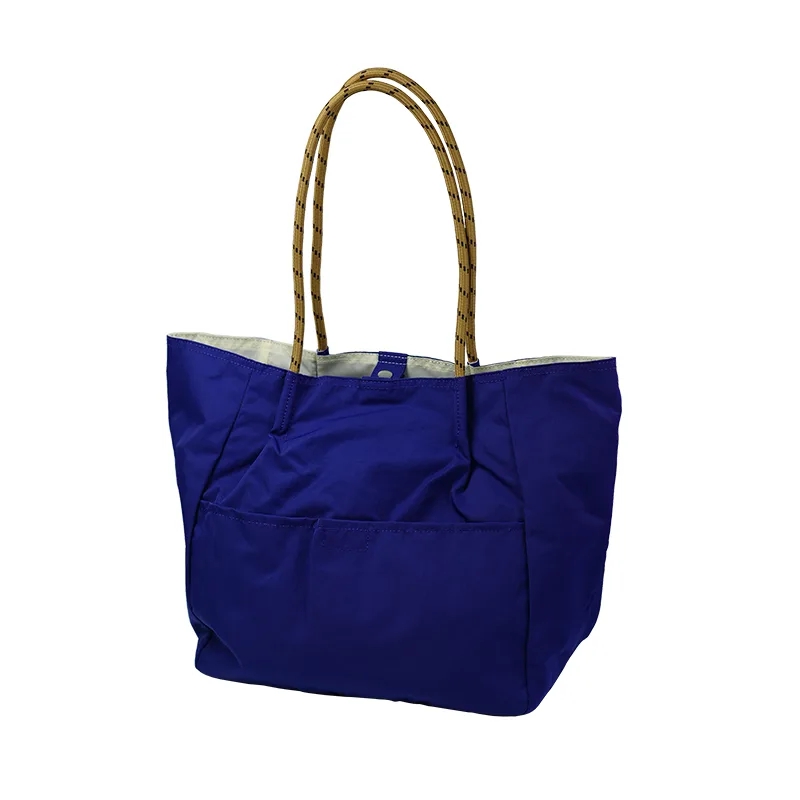
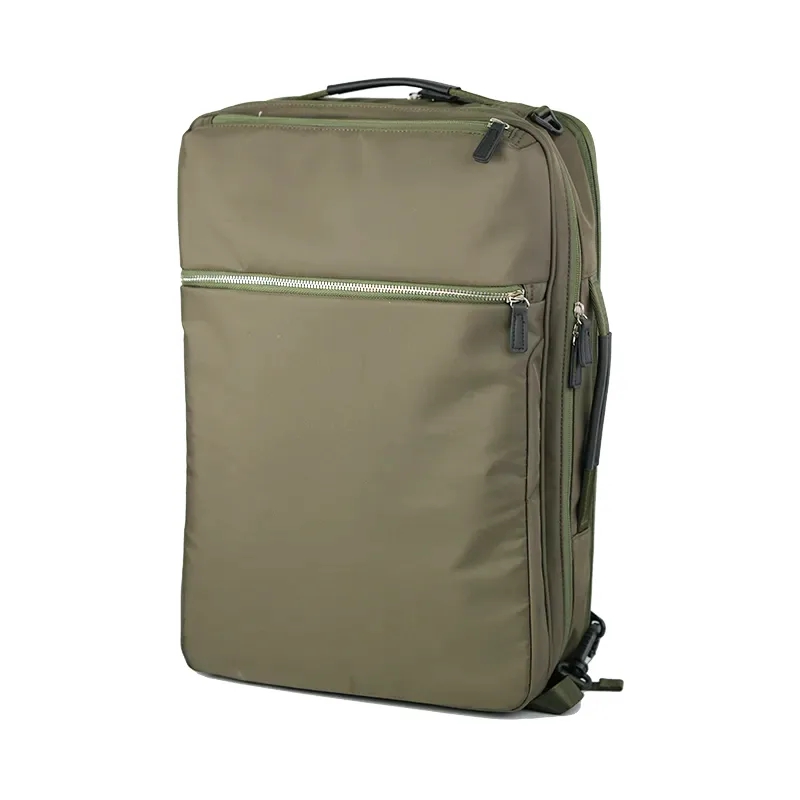
Multifunctional Handbag features multiple carrying modes and multi-compartment storage, widely used for business commuting, laptop carrying, outdoor activities, travel and daily shopping. The selection of main fabric directly affects the bag’s weight, wear resistance, water repellency, hand feel, color effect and final production cost. Different fabrics have distinct physical properties. Manufacturers can select or customize fabrics according to client requirements on usage scenarios, budget, environmental standards and OEM branding needs. Below are the mainstream optional fabric materials for multi-functional tote bags.
Main Fabric Options for Multi-functional Tote Bags
1. Polyester Oxford Fabric
Polyester oxford fabric is the most widely used material for multi-functional tote bags. It adopts basket weave structure, commonly available in specifications such as 300D, 600D, 900D. PU or PVC coating can be added on the back side for water repellent and stain resistant performance.
Advantages: Good tear resistance, high dimensional stability, affordable cost, rich color options, easy to print logos. It can withstand daily friction and light rain.
Limitation: Hand feel is relatively stiff compared with nylon.
Application: Business laptop tote bags, office document bags, promotional gift bags, daily commuting multi-purpose handbags.
2. Nylon Fabric
Nylon fabric (polyamide) is a premium synthetic textile for high-end multi-functional tote bags. It is lighter, softer and tougher than polyester.
Advantages: Outstanding tensile and tear strength, lightweight, excellent water repellent performance, soft touch, easy to wipe clean.
Limitation: Higher cost; long-term UV exposure may lead to aging.
Application: Travel multi-purpose bags, outdoor tote bags, high-grade commuter bags with heavy load requirements.
3. Cotton / Cotton Canvas
Canvas is woven mainly with cotton yarn. Thick canvas has strong load-bearing performance and natural texture.
rPET fabric is made from recycled plastic bottles, with GRS certification available for eco-friendly orders. Its physical performance is similar to ordinary polyester.
Advantages: Sustainable material, meets green product requirements for European and American markets.
Limitation: Price slightly higher than regular polyester.
Besides outer shell fabric, lining material is also customizable. Common lining choices include thin polyester taffeta, lightweight polyester fabric. The lining fabric is selected to reduce friction, protect internal items and improve the neatness inside compartments.
Key Factors for Fabric Selection
1. Usage scenario: Outdoor and commuting bags prioritize water repellent synthetic fabrics; casual retail bags may select canvas.
2. Load requirement: Heavy-duty multi-functional tote bags require high tear strength fabric like nylon or high-density oxford.
3. Budget: Polyester oxford is cost-effective; nylon and PU leather are premium choices.
4. Compliance requirements: Export orders can select fabrics that pass REACH, AZO free and other textile tests.
5. Logo craft: Confirm fabric compatibility for silk screen, heat transfer, embroidery or embossing before bulk production.
Summary
Multifunctional Handbag support a broad range of fabric options. Polyester oxford is the mainstream cost-effective choice; nylon serves high-performance premium orders; canvas delivers natural eco-style; PU faux leather creates a formal business look. Recycled rPET fabric is available for sustainable branding projects. Buyers can communicate with manufacturers about weight, coating, color fastness and test requirements to select the most suitable fabric for their tote bag project.
We use cookies to offer you a better browsing experience, analyze site traffic and personalize content. By using this site, you agree to our use of cookies. Privacy Policy