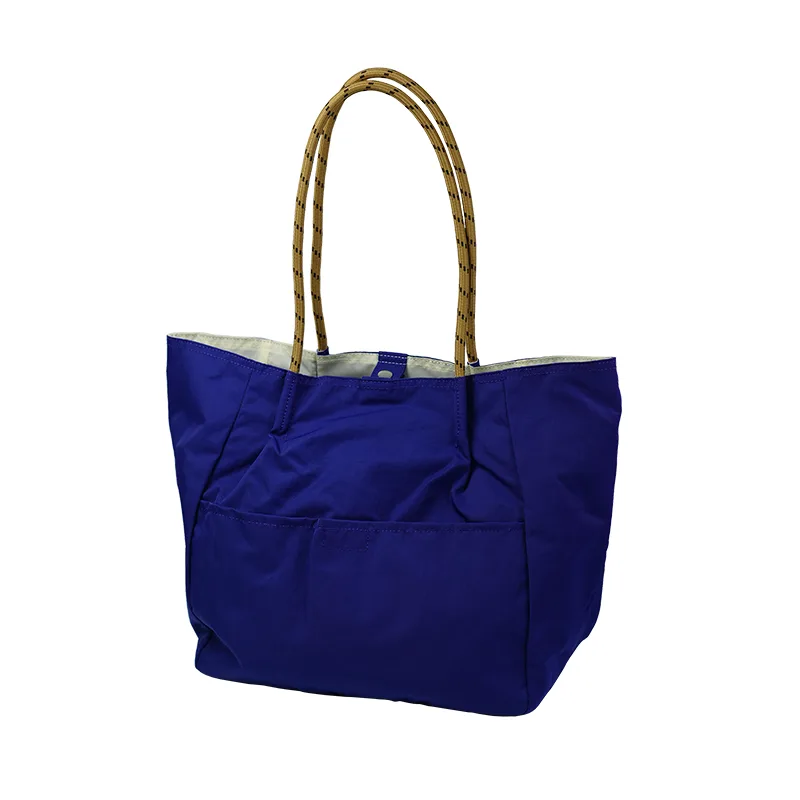
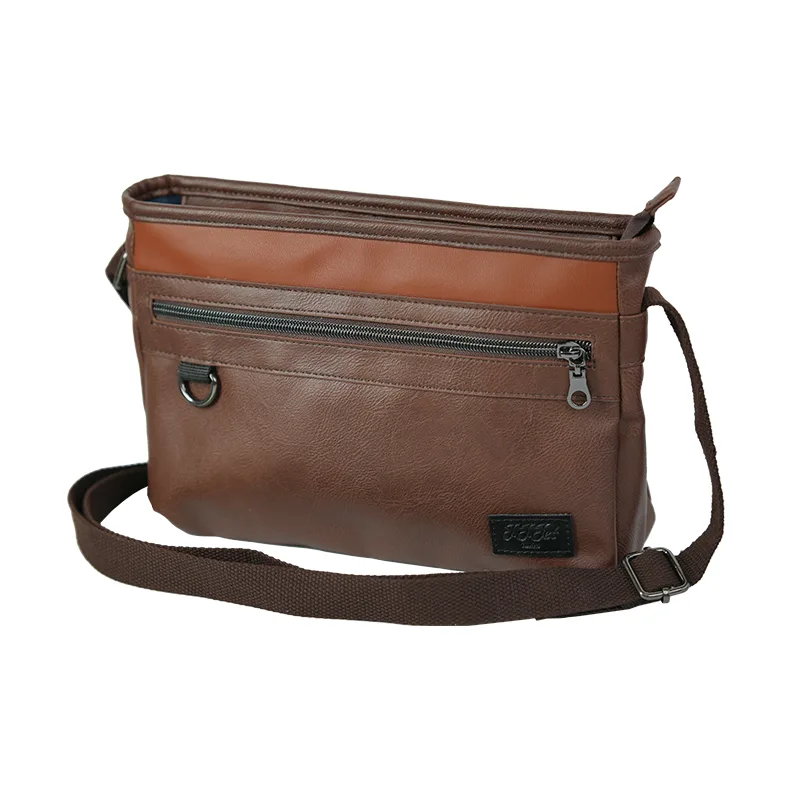
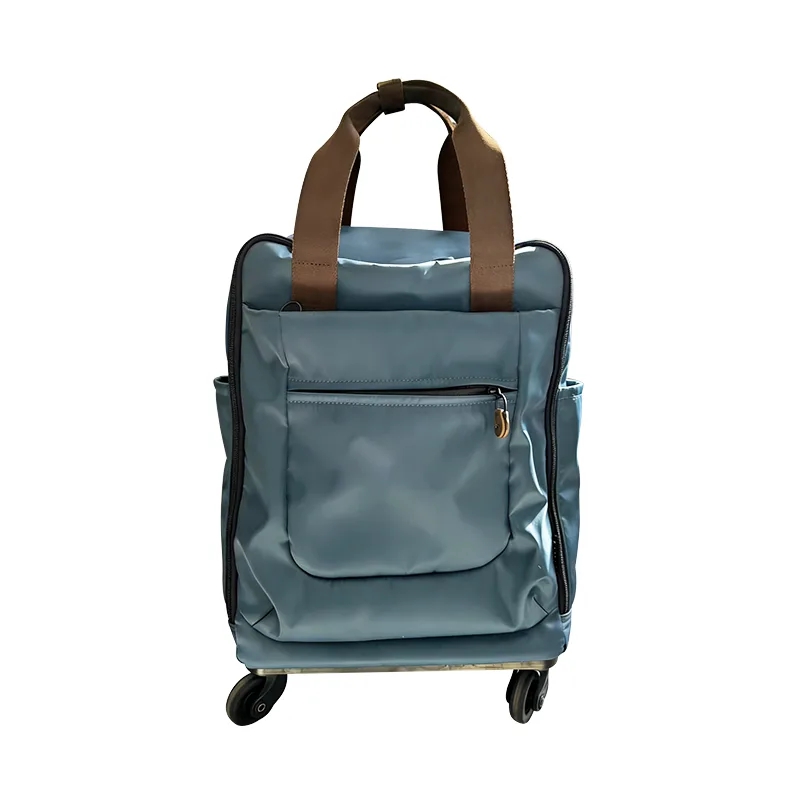
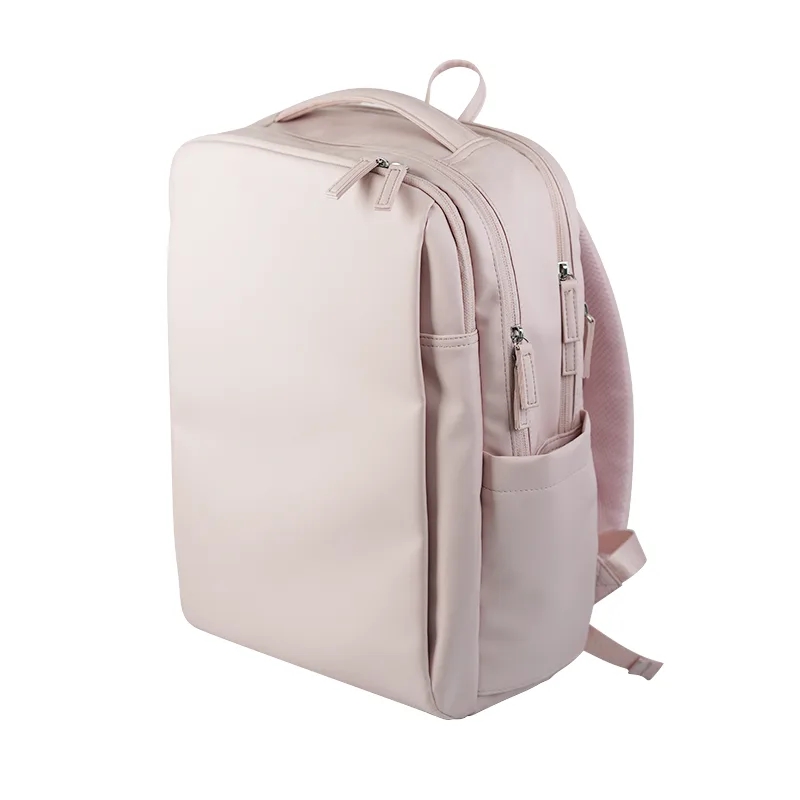
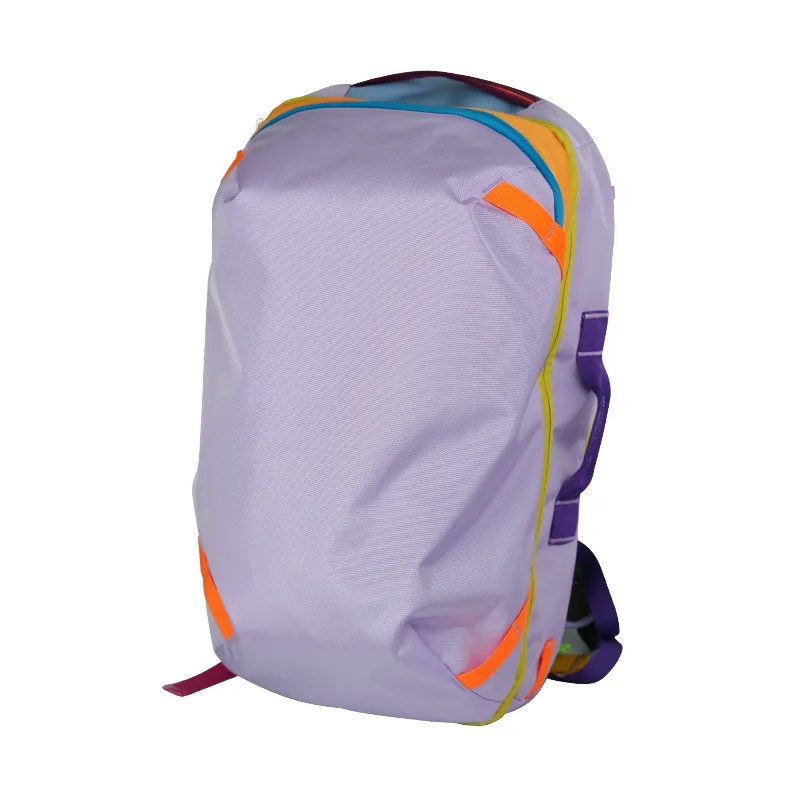
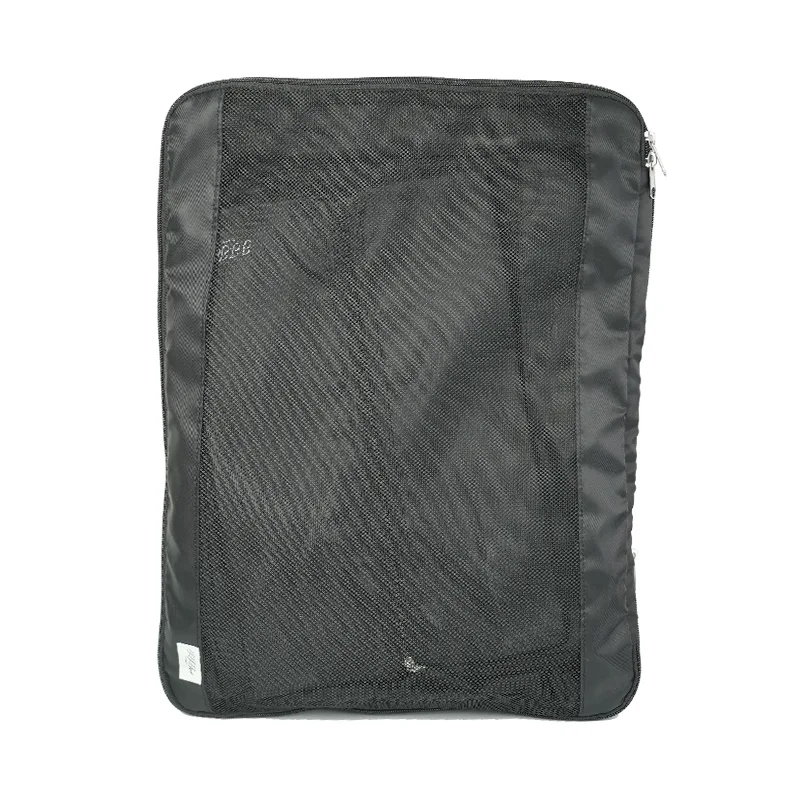
Trailer bags are divided into six categories: main fabric, bottom wear-resistant layer, lining/interlayer, bottom plate, wheel set, and auxiliary materials. Selection logic: The main fabric prioritizes durability and tear resistance; Key anti abrasion, waterproof, and puncture measures at the bottom; The bottom plate determines the full load configuration; Wheel set is a consumable core; Ribbons, zippers, corner protectors, and other accessories determine the service life of the stress location. Outdoor camping heavy-duty model uses high-D polyester Oxford cloth+PVC knife scraping bottom; Ordinary travel styles can use 600D/900D Oxford cloth.
1. Body main fabric (core)
1. Polyester Oxford cloth (mainstream)
Specifications: 600D/900D/1200D/1680D, the higher the D number, the thicker the yarn, and the stronger the wear and tear resistance. Apply PU/PVC coating on the surface to prevent water splashing. **1680D is the standard material for outdoor heavy-duty trailer bags.
2. Nylon (nylon) Oxford cloth
Better toughness, softer hand feel, and better wear resistance than the same D polyester; The cost is higher, which is mostly used for high-end models, and the outdoor aging resistance is better.
3. Canvas (cotton/polyester cotton)
The texture is stiff and wear-resistant, but it has poor waterproofing and a relatively large weight, making it rarely used for heavy-duty trailer bags.
4. PVC coated cloth/knife scraping cloth
Mostly used for fully waterproof special trailer bags, with a heavy weight and strong puncture resistance.
2. Bottom wear-resistant layer (in direct contact with the ground, wears out the fastest)
1. PVC knife scraper cloth: The bottom of high-end trailer bags in the industry comes standard, waterproof, resistant to sand and gravel friction, puncture resistant, and can be wiped directly if dirty.
2. Thickened PVC composite Oxford cloth : Economical bottom, less wear-resistant than knife scraping cloth.
3. Rubber Bottom Patch: Local rubber corner protectors at the four corners to prevent bumps, usually used together with a scraper cloth.
3. Inner lining and interlayer filling
Lining: 210D polyester Oxford fabric, lightweight, used for lining.
Pearl cotton/EVA foam: intermediate layer, cushioning and anti-collision, protecting internal equipment, generally with a thickness of 3-8mm.
Non woven fabric: low-priced lining, not wear-resistant.
We use cookies to offer you a better browsing experience, analyze site traffic and personalize content. By using this site, you agree to our use of cookies.Privacy Policy